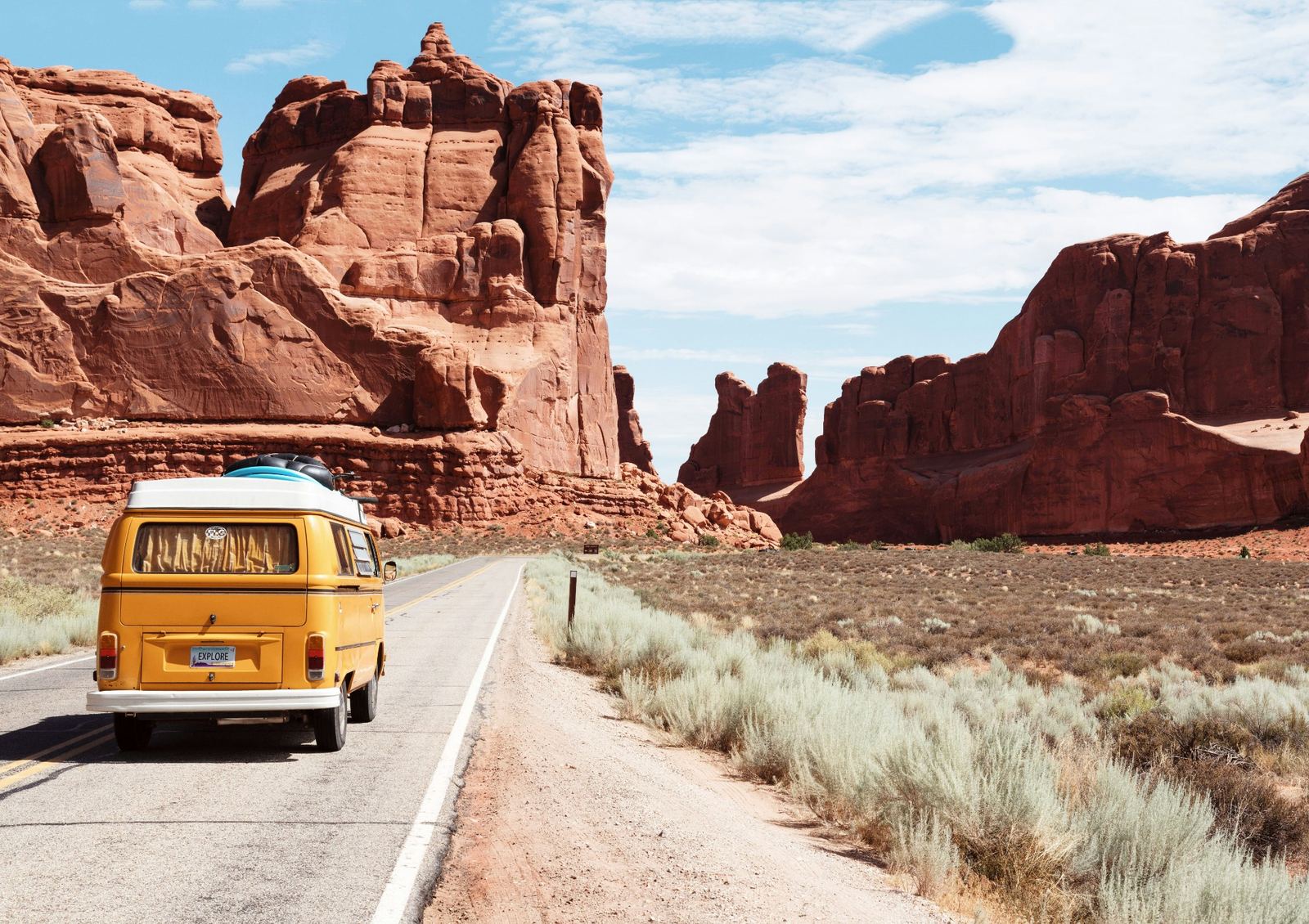
Road trips can give young children a break from their usual surroundings while introducing them to new sights, sounds, people, and experiences. For worldschooling families, these journeys can become part of the learning process itself.
Be it toddlers, preschoolers, or school-going children, everyone can learn through simple observations, conversations, games, and hands-on activities. Parents do not need complicated lesson plans to make travel educational.
A stop at a farmers market can become a lesson about fruits and vegetables. Similarly, watching trucks can introduce children to different types of transportation, while exposure to nature can be a learning opportunity about the environment. Even a short drive can offer opportunities to practice counting, colors, shapes, language, and social skills.
Why More Families Are Hitting the Road to Learn
Worldschooling has evolved from a niche concept into a growing educational movement. According to The Guardian, more families have adopted this lifestyle since the pandemic. The rise of remote work and increasing living costs has contributed to its growing popularity.
One British family decided to sell their home and take their two daughters out of traditional school. Their daughters, aged four and six, played an important role in shaping many of the family’s major decisions. That same willingness to adapt can be especially valuable for families who prefer road trips over rigid travel plans.
Turn the Journey Into a Transportation Lesson
Young children are often fascinated by cars, buses, trains, trucks, and airplanes. A road trip gives parents plenty of opportunities to build on that natural curiosity.
Ask your child to look for different vehicles during the drive. They can count how many red cars they see, identify trucks, or point out vehicles that are larger or smaller than your family car. Parents can also talk about what each vehicle is used for.
For younger toddlers, keep the questions simple:
- What color is that car?
- Can you find a big truck?
- How many buses can you see?
- Which vehicle is moving faster?
- What sound does a truck make?
These small conversations encourage observation, vocabulary development, and early counting skills.
Teach Simple Road Safety Lessons
Travel also provides an opportunity to introduce basic safety concepts. Kids can begin learning why they need to remain seated, wear a seat belt, and follow instructions near roads.
Parents can use everyday situations to reinforce these lessons. Before leaving the car, explain that everyone waits for an adult before opening the door. Both parents and children can also learn about important steps to take if a serious incident happens during a family trip.
Take, for example, a recent accident involving Ohio representative Marcy Kaptur. She was involved in an accident in Toledo and is being treated for non-life-threatening injuries. Parents can create conversations around the importance of taking important details and connecting with a Toledo auto accident lawyer in such cases.
According to Zoll & Kranz, LLC, an attorney can help families understand the legal aftermath of a collision. They can even assist with calculating damages and negotiating with insurance agents.
Worldschooling families travel a lot across cities, states, and countries. Therefore, knowing the safety basics could come in handy throughout a lifetime.
Create a Simple Travel Activity Bag
A small activity bag can keep small children engaged during longer stretches of travel. It does not need to contain expensive toys or complicated materials.
Parents magazine recommends activities like:
- Read the license plate game
- Twenty Questions
- Memory test
- Name the animal or song
These games can help children develop memory and vocabulary skills. These screen-free activities can also encourage family conversations during the journey. For worldschooling families, even a basic car game can become an opportunity to practice math, language, or observation skills.
These activities can also support fine motor development by allowing children to practice holding crayons, peeling stickers, and making various marks on paper.
Explore Nature Along the Way
Screens are one option for keeping young children occupied, but they are far from the only one. Nature-based learning can be especially engaging for young children because it encourages them to observe the world around them.
Spending time in nature can support children’s attention and emotional well-being. A brief walk along a trail or a stop near a river can help children refresh their minds. Worldschooling families can incorporate spontaneous nature breaks into their travel plans.
At a rest stop or park, ask children to look for leaves, flowers, birds, rocks, clouds, or insects. You can talk about colors, textures, sizes, and sounds. The benefits of exploring the environment and learning in nature can stay with them even as they grow.
“Green schools may reduce stress, boost cognitive functioning, and raise standardized test scores and graduation rates,” writes Richard Louv, a journalist and author.
Make Stops Part of the Learning Experience
Planning rest stops is essential for efficient and enjoyable road trips. It is recommended to take a stop every two to three hours if you have small kids in the car. The stops should be planned around restrooms, fuel, and snacks.
The Washington Post suggests choosing playgrounds over rest stops, since cooped-up kids will want to run and play. You can use playground-finder apps and local park websites to find suitable stops along your route.
A brief playground break can refresh children’s moods more effectively than another snack break. Active play can also help children sleep better and stay focused during the next part of the journey.
Before stopping somewhere, tell your child a little about what they are going to see. Keep the explanation short and age-appropriate. Once you arrive, encourage them to look closely and ask questions.
Frequently Asked Questions
What age is best for starting worldschooling?
There is no specific age for starting worldschooling. Families with toddlers can introduce travel-based learning through short trips, while preschoolers can participate in simple activities related to geography and culture. The key is to choose experiences that match a child’s developmental stage and allow plenty of time for rest and free play.
How can parents maintain a routine while traveling with toddlers?
A familiar routine can help toddlers feel comfortable during frequent travel. Parents can keep regular meal and bedtime schedules where possible and bring familiar items such as a favorite blanket, book, or stuffed animal. A predictable rhythm can provide stability even when the family changes locations frequently.
How do worldschooling families handle nap times during road trips?
Parents can plan longer driving periods around their child’s usual nap schedule. A comfortable car seat, familiar blanket, and quiet environment may help a toddler settle down during the journey. Families can also adjust their plans when a child needs extra rest rather than trying to follow a strict travel schedule.
Key Facts and Stats for Worldschooling Road Trips
| When did worldschooling gain popularity among families | Since the pandemic |
| Recommended interval for stops when traveling with small children | Two to three hours |
| What games support memory and vocabulary skills | License plate game, twenty questions, name the animal |
| What supports children’s attention and emotional well-being | Nature breaks |
| What gives children opportunities to move and release energy | Playground stops |
Worldschooling families do not need to turn every road trip into a formal lesson. Young children often learn best when education is connected to things they can see, touch, hear, and experience. A family drive can become an opportunity to practice colors and numbers.
A roadside stop can introduce children to nature. A visit to another town can spark conversations about food and culture. A few simple activities can turn travel time into meaningful experiences for toddlers and preschoolers. The key is to follow the child’s curiosity. Let them ask questions, notice new things, explore safely, and talk about what they experience.